

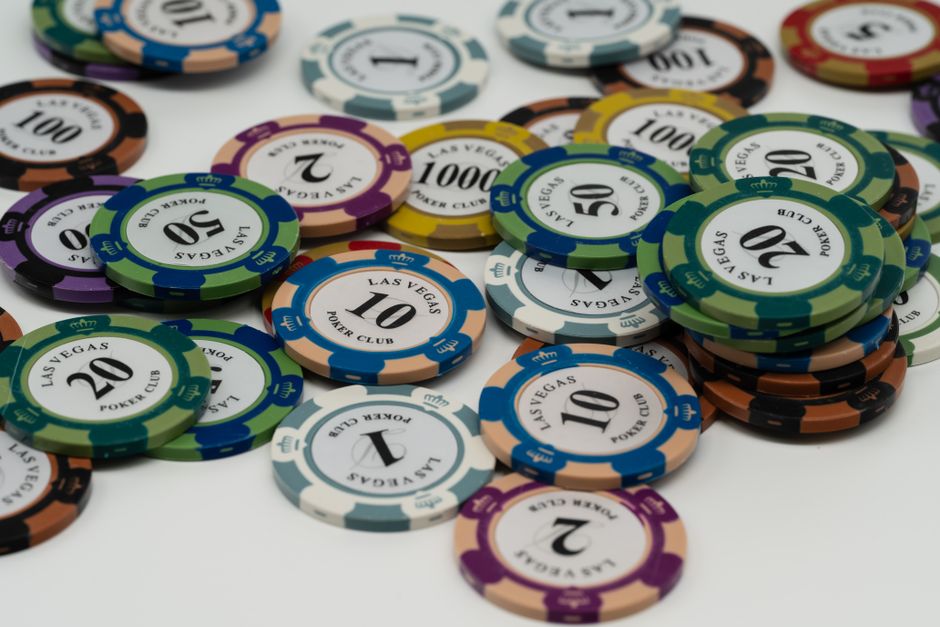
Walk into any sportsbook or fire up a slot reel and you'll notice something odd: everyone has a strategy, yet most players' bankrolls still trend downward. That's not bad luck. That's the house edge doing exactly what it was designed to do, and the sooner you accept it, the smarter you'll play. The real divide in iGaming isn't between lucky and unlucky — it's between players who understand the math and those who just chase the feeling. Here's a breakdown of where that line actually sits.
Return to Player Is Not a Recommendation
Every slot on a regulated platform has an RTP figure, usually somewhere between 92% and 97%. New players read "96% RTP" and assume they'll get most of their money back. That's not how it works. RTP is a theoretical average calculated over millions of spins, and it assumes you never stop. Short-term variance swallows that number whole.
What actually matters more is volatility. Two slots can share the same RTP and behave completely differently:
- Low volatility — frequent small wins, gentle bankroll decline. Good for long sessions on a modest budget.
- Medium volatility — the bread-and-butter middle ground most providers aim for.
- High volatility — long dry spells punctuated by rare, enormous payouts. Brutal without a big bankroll.
A concrete example: a 96% RTP slot with high volatility can eat 200 spins straight before a meaningful hit. If your session budget is $50 and your bet size is $1, you're gone before the feature ever triggers. The slot didn't cheat — you just picked the wrong math for your money.
Where the Real Edge Lives in Poker
Poker is the only major iGaming vertical where skill genuinely beats the rake. Slots and casino games are player-versus-house, and the house wins long-term by design. Poker is player-versus-player, and the house just skims a small percentage off each pot.
That single structural difference changes everything. In a cash game with a 5% rake capped at $3, your edge over weaker opponents is what creates profit. Find a table where you're the best player and the math works. Sit down where you're the mark and you're just paying rake to lose slowly.
The practical takeaway:
- Track your win rate in big blinds per 100 hands. Anything above 3bb/100 at low stakes is genuinely good.
- Play fewer tables if you're learning — three tables of focused play beats nine tables of panic-clicking.
- Study more than you play at the start. A two-to-one study-to-play ratio is not too aggressive for beginners.
- Move down immediately when you hit a downswing, not after you've torched half your roll.
Tournaments flip the math yet again. The payout structure is top-heavy, so the vast majority of entrants lose, but a single deep run can multiply your buy-in by fifty. It's high variance with a real skill ceiling — which makes it a completely different beast from a slot machine. Take a look at สล็อต for a fuller picture.
Sports Betting: Where Casual Money Usually Dies
Betting appeals to people because they think they know sports. They watch the games, they follow the stats, so surely they can beat a line set by a team of full-time traders. Reality check: sportsbooks aim to hold 4-7% of total handle on most markets. Hidden in that margin is a brutal truth — even a 55% win rate against the spread isn't profitable once the vig eats into every winning bet.
Working bettors grind small edges over hundreds of plays. They care about line shopping, market timing, and closing line value, not about whether their team "feels" good tonight. If your typical bet is your favorite team's moneyline because you believe in them, you're not betting — you're paying for emotional entertainment, and that's fine as long as you know which one it is.
The Bankroll Discipline Nobody Talks About
The single biggest predictor of whether a player lasts six months or six minutes isn't game selection. It's bankroll management. The old guideline of 1-2% of bankroll per bet sounds boring and safe, and it is. That's the point.
A practical structure most disciplined players use:
- Separate your gaming bankroll from your rent money — completely, physically, in a different account.
- Define your unit size (usually 1% of the roll) and never change it mid-session.
- Set a hard stop-loss for the day and a stop-win if you know you tilt after a big score.
- Re-evaluate your roll monthly. If it dropped 30%, cut your unit size accordingly.
None of this is sexy. The players still alive after a decade aren't the ones who hit a 5,000x jackpot — they're the ones who never blew up their roll chasing it back.
Bonus Terms Are Contract Terms
Welcome bonuses look like free money until you read the wagering requirement. A 40x requirement on a $100 bonus means you have to wager $4,000 before withdrawing a cent, and slot contributions often count at less than 100% toward that total.
A few rules of thumb worth memorizing:
- Under 30x wagering is decent. Over 50x is usually a trap.
- Maximum bet limits while clearing bonuses are typically around $5 — exceed it and you forfeit everything.
- Watch expiry dates. A 7-day window on a big bonus is designed to make you fail.
- Check game weighting. Live dealer games often contribute 10% or less, which makes clearing nearly impossible.
Bonuses aren't evil, but they're marketing instruments engineered with the house's expected value in mind, not yours.
Pick the Game That Matches Your Personality
Here's the part most guides skip. Long-term success in iGaming rarely comes from forcing yourself into poker if you hate the pace, or grinding slots if you actually need interaction. Skill games reward patience and study. Slot play rewards bankroll tolerance for variance. Betting rewards analytical detachment from your favorite teams. Live dealer games reward social energy on a stricter budget.
The honest advice after watching countless players come and go: find the one vertical that fits how you're already wired, get genuinely good at it, and treat everything else as entertainment you're paying for. The house doesn't need you to lose forever — it just needs you to play a bit longer than you planned. Knowing that is the first real edge you'll ever have.


Comments